
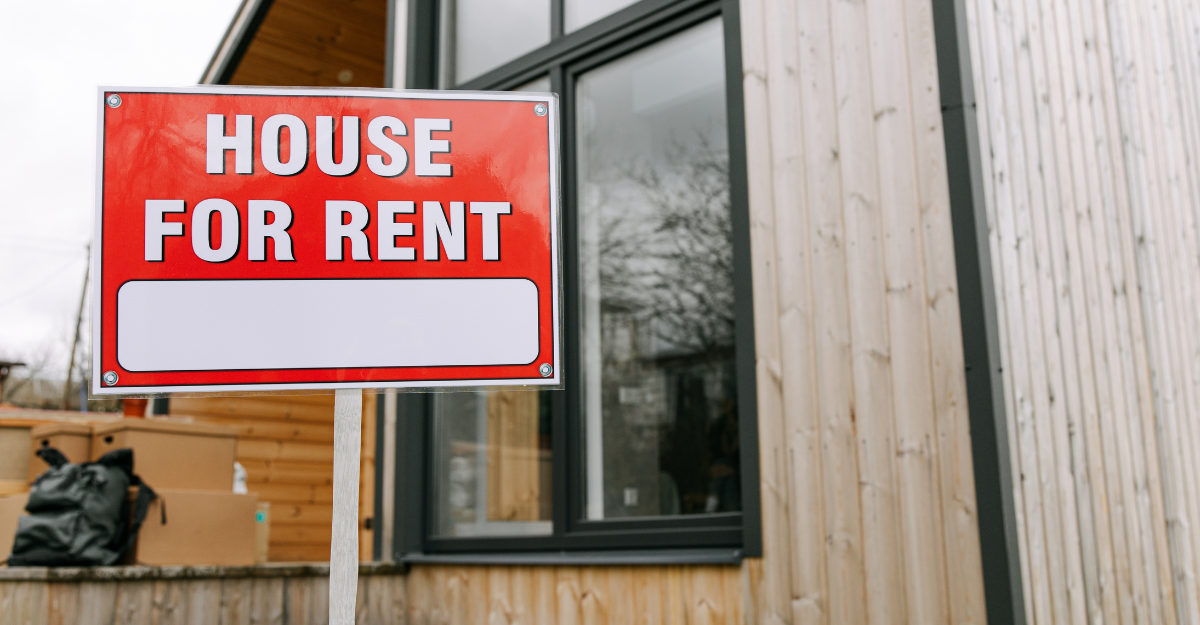
How Do Rental Property Real Estate Commissions Work? We will undoubtedly discuss it, but first it is crucial that we understand what a real estate commission is. Let’s talk about it.
The Real Estate Commission: What is it?
A real estate commission is the sum of money paid to a real estate agent for assisting in the purchase and sale of a property. You must have frequently witnessed people hiring real estate agents to help them buy or sell their homes; the services these agents offer during this process are a different topic. This brings us to our primary subject: How do real estate commissions from rental properties work?
Commissions Relating to Rental Property
Real Estate Commissions are mostly associated with buying/selling of properties, apart from that they also have an integral part in the sale and purchase of rental properties. A real estate agent looks out for the very best tenant for their property owner, so in return for all that, he looks forward to acquiring a good commission, but how much that commission should be and in what manner that commission has to be paid, depends upon the place where you are putting in your work.
Who Pays Commission on Rental Property?
Usually, it has been noticed that the landlord is the one who bears the cost of the real estate commission, which is paid to the real estate agent, but here, apart from being the mediator, the real estate agent is also working to get a tenant as well as taking care of the advertisement and showings. But sometimes, in some competitively rented areas, tenants may pay some portion of the commission, and sometimes it may happen that rather than paying some portion of the commission, you will be required to pay the entire commission as a tenant.
Benefits of Landlords for Hiring An Agent:
If you’re a landlord, renting out your property sounds easy—until you’re dealing with endless phone calls, late-night showings, or tenants who vanish without warning. That’s where a good real estate agent steps in. They handle the heavy lifting: advertising your place, screening potential renters, managing the property, and sorting out all the paperwork. When a tenant moves out, agents don’t just leave you hanging. They take care of move-out inspections, arrange for repairs or cleaning, and get the place back on the market fast. You save time, avoid headaches, and usually end up with better tenants.
Benefits of Tenants for Hiring An Agent.
Now, if you’re a tenant, hiring an agent comes with its own perks. First off, they’re in your corner, helping you find a place that fits your needs and budget. They know the local rental scene inside out, so you don’t waste time chasing listings that go nowhere. From the first property search to signing the lease, they’re with you every step, making sure you don’t miss anything important. That means less stress, fewer wasted weekends, and more time to focus on your own life.
Plus, as a renter, you don’t have to worry about maintenance headaches. If something breaks—plumbing, clogged drains, whatever—you just call the landlord or the agent, and it gets sorted. In the end, working with a real estate agent saves you money, time, and a lot of hassle. That’s what makes them so valuable, whether you’re leasing out your place or looking for a new one to call home.
Summary:
To wrap things up, the commission a real estate agent earns plays a big role in the rental market. Agents do a lot finding tenants, handling marketing, and sometimes even managing the place for landlords. Landlords usually pay agents based on the work they do, either with a flat fee or a cut of the yearly rent. Tenants need to know who covers the commission, since it’s not always the same everywhere. It really depends on where you are.